Yoga
Yoga Beyond Physical Exercise
Posture is the doorway, not the room. What the older definition of yoga includes — and why it matters for how you practise.
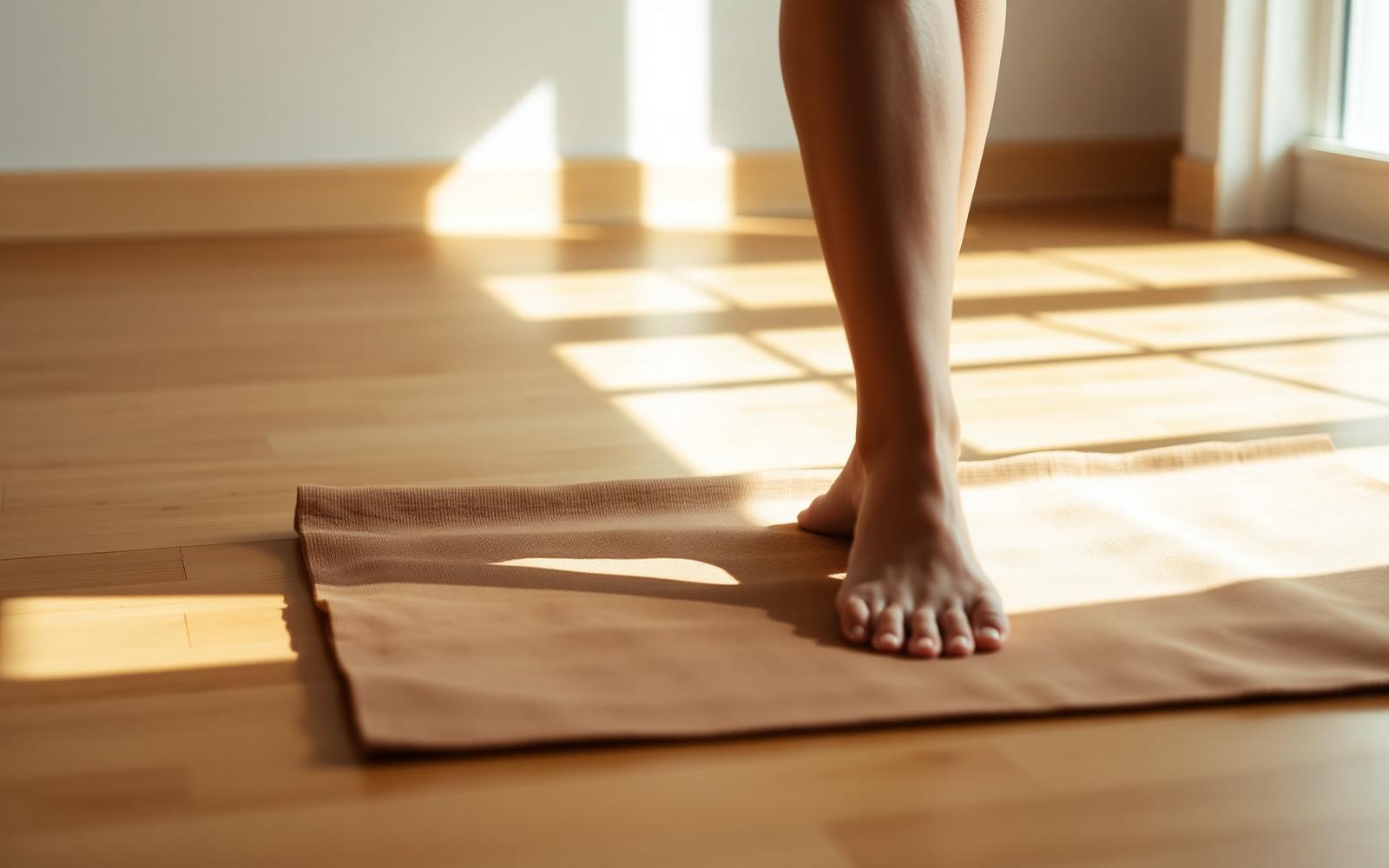
Most people who come to a yoga class arrive for the body: a stiff back, a tight hip, a hope that movement will help. That is a legitimate entry point. It is simply not the whole practice, and knowing what else exists changes what an hour on the mat can do.
Eight limbs, one of which is posture
Patanjali's framework describes eight limbs. Asana — posture — is the third. It exists to make the body steady enough to sit, breathe and attend without distraction.
- Yama — how you conduct yourself with others.
- Niyama — how you conduct yourself with yourself.
- Asana — a steady, comfortable seat and the postures that build it.
- Pranayama — regulation of breath and vital energy.
- Pratyahara — withdrawing attention from constant sensory input.
- Dharana — sustained, single-pointed focus.
- Dhyana — meditation that no longer requires effort to hold.
- Samadhi — absorption, where the sense of separation quietens.
Why the difference is practical
A practice reduced to shapes tends to plateau. Flexibility improves, then stalls; the practitioner chases harder postures for a sense of progress. A practice that includes breath, attention and conduct keeps developing after the body stops changing shape, because the material is no longer only physical.
“Yoga is the settling of the movements of the mind. The body is simply where that settling becomes possible.”
Bringing the fuller practice into an hour
- Begin seated and quiet for two minutes before the first movement.
- Keep the breath nasal and audible-free; let it set the pace rather than the count.
- Hold one posture long enough to become uninteresting, and observe what the mind does.
- End with stillness rather than the last pose — savasana is practice, not rest.
- Carry one intention off the mat: a single yama or niyama to notice during the day.
None of this makes the physical practice less important. It gives the physical practice somewhere to lead.
A practice to try
In your next practice, choose one posture to hold twice as long as feels interesting. Note what the mind offers you in that extra time.
Continue reading
Related essays
Breathwork
The Role of Breathwork in Everyday Life
Breath is the one physiological process you can consciously steer. Understanding it changes how you meet an ordinary day.
Wellness Philosophy
The Five Elements and Holistic Wellbeing
Earth, water, fire, air and space are not metaphors. They are a vocabulary for reading your own state accurately.
Ayurveda
What Is Ayurveda? A Beginner's Guide
Ayurveda is not a treatment you receive but a way of understanding your own constitution. A grounded introduction to the science of life.